The night Sarah had visited me three weeks earlier, she had stayed unusually long.
She had hugged me before leaving.
And while she was in the house, I had been in the kitchen making tea.
I suddenly understood.
I called my attorney.
Her name was Elaine Porter.
I had worked with Elaine after David died, and she knew exactly how complicated Sarah could become whenever money was involved.
I explained everything.
Elaine was silent for several seconds.
Then she asked one question.
“Did Sarah ever have access to your house without you being there?”
“Yes.”
“Change the locks.”
I did.
Then Elaine told me something even more disturbing.
“Your mother’s estate documents aren’t enough to transfer ownership. But if Sarah has been telling contractors and neighbors that she owns the property, we need to determine whether she has created or submitted any false paperwork.”
My heart began pounding.
“Do you think she would do that?”
Elaine answered carefully.
“I think you should find out before you assume she wouldn’t.”
The next morning, Elaine called me.
She had found something.
A property-record inquiry had been made using Sarah’s name.
Not a transfer.
Not yet.
But someone had requested copies of historical records connected to the cottage.
The request had been made shortly after Sarah’s visit.
I sat silently at my kitchen table.
My daughter wasn’t simply trying to move into my house.
She had been building a paper trail.
A story.
A version of events in which I had supposedly intended to give her the property.
Then came the final shock.
My contractor called again.
“There’s something else,” he said.
“What?”
“Sarah gave me a key.”
I froze.
“What key?”
“The cottage key. She told me you gave it to her.”
I hadn’t.
I had never given Sarah a key.
Elaine told me not to confront her yet.
Instead, we documented everything.
The contractor gave us copies of the messages Sarah had sent him.
Linda wrote down what she remembered hearing.
The moving company still had the original delivery order.
And the officers who had come to the cottage had filed a report documenting that Sarah had no written permission to live there.
For the first time, I saw the situation clearly.
Sarah wasn’t merely entitled.
She was testing how far she could push me.
And for years, I had taught her that pushing me worked.
So I made a decision.
I would stop teaching her that lesson.
Two days later, Sarah arrived at my front door with Greg.
Neither of them looked angry.
They looked confident.
Greg held a folder.
Sarah smiled.
“Mom, let’s just settle this like a family.”
I looked at the folder.
“What is that?”
“An agreement.”
She opened it.
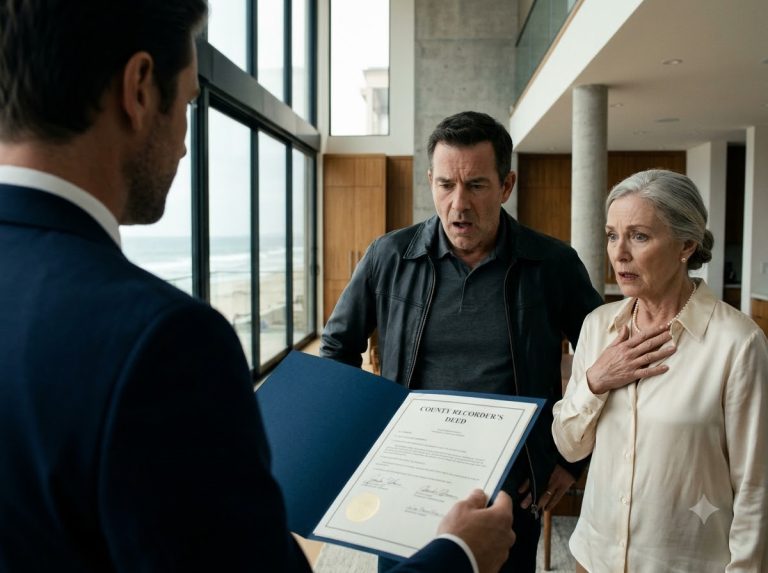
It was a document claiming that I had given Sarah permission to occupy the cottage for an indefinite period.
My name was at the bottom.
There was even a signature.
For a second, I couldn’t breathe.
Then I looked closer.
The signature wasn’t mine.
It was an imitation.
A very good one.
But not mine.
I looked directly at my daughter.
“Sarah,” I said, “where did you get this?”
Her face changed.
Only slightly.
But I saw it.
Fear.
For the first time since this began, my daughter looked afraid.
Greg turned toward her.
“You said she signed it.”
Sarah didn’t answer.
I slowly closed the folder.
“You have until tomorrow morning to explain everything.”
“Mom—”
“No.”
She stopped.
“I spent years believing that helping you was the same thing as loving you. I was wrong.”
Her eyes filled with tears.
“You’re destroying your own daughter.”
I shook my head.
“No, Sarah. I’m finally refusing to destroy myself to save you.”
She stood completely still.
Then Greg asked quietly:
“What happens tomorrow?”
I looked at both of them.
“Tomorrow, Elaine and I file everything we have.”
Sarah’s face went pale.
And that was the moment I understood something my late husband had tried to teach me years ago.
Sometimes the hardest boundary isn’t the one that keeps someone out of your house.
It’s the one that finally keeps you from being used by someone you love.
But I still didn’t know the full truth.
Because the forged agreement wasn’t the worst thing Sarah had done.
The following morning, Elaine called me before sunrise.
Her first sentence made my hands go numb.
“Your daughter didn’t just forge your signature.”
“She tried to sell the cottage.”
I couldn’t speak.
Elaine continued.
“There’s an interested buyer.”
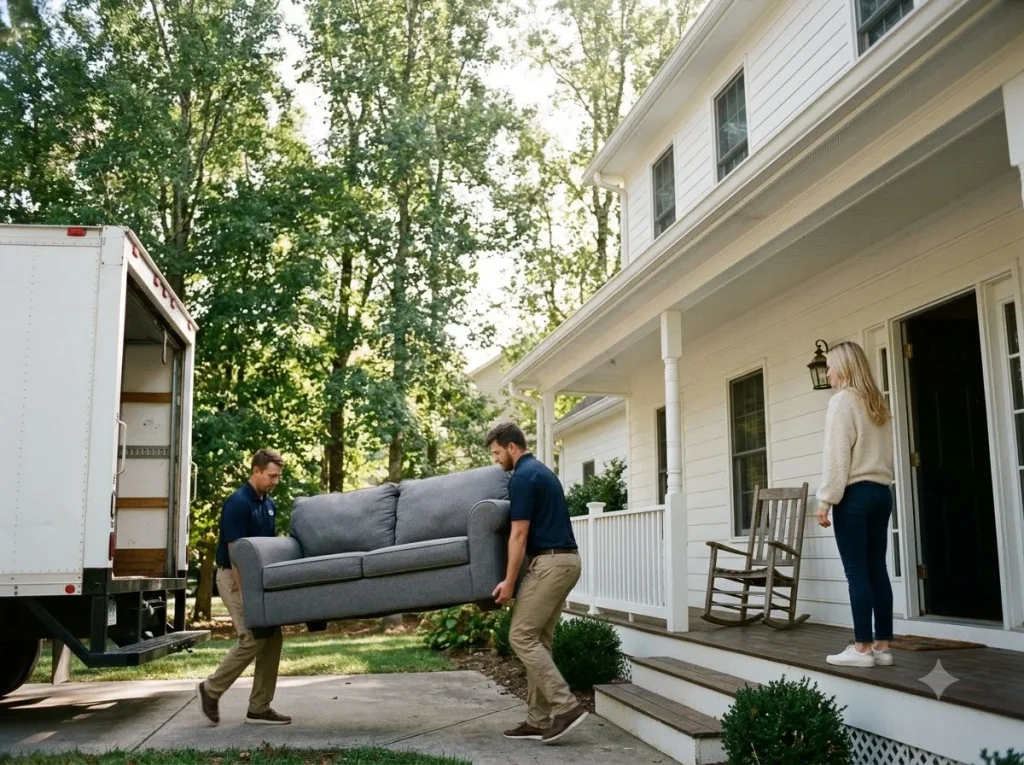
And suddenly, the moving truck made sense.
The renovation plans made sense.
The fake agreement made sense.
Sarah hadn’t planned to live in my mother’s cottage forever.
She had planned to make it look like it was hers long enough to sell it.